Return on the Road With Confidence - Reliable Auto Repair
Essential auto repair guarantees vehicle safety and performance. A reputable shop presents comprehensive work, from regular inspections to urgent repairs. Knowing when a car needs attention can prove challenging. Many drivers have trouble discovering dependable repair experts. Routine maintenance contributes significantly to extending a vehicle's lifespan. Yet, the challenges regarding expenses and communicating with technicians can leave one hesitant. What measures can drivers implement to maintain their vehicles in driving condition?
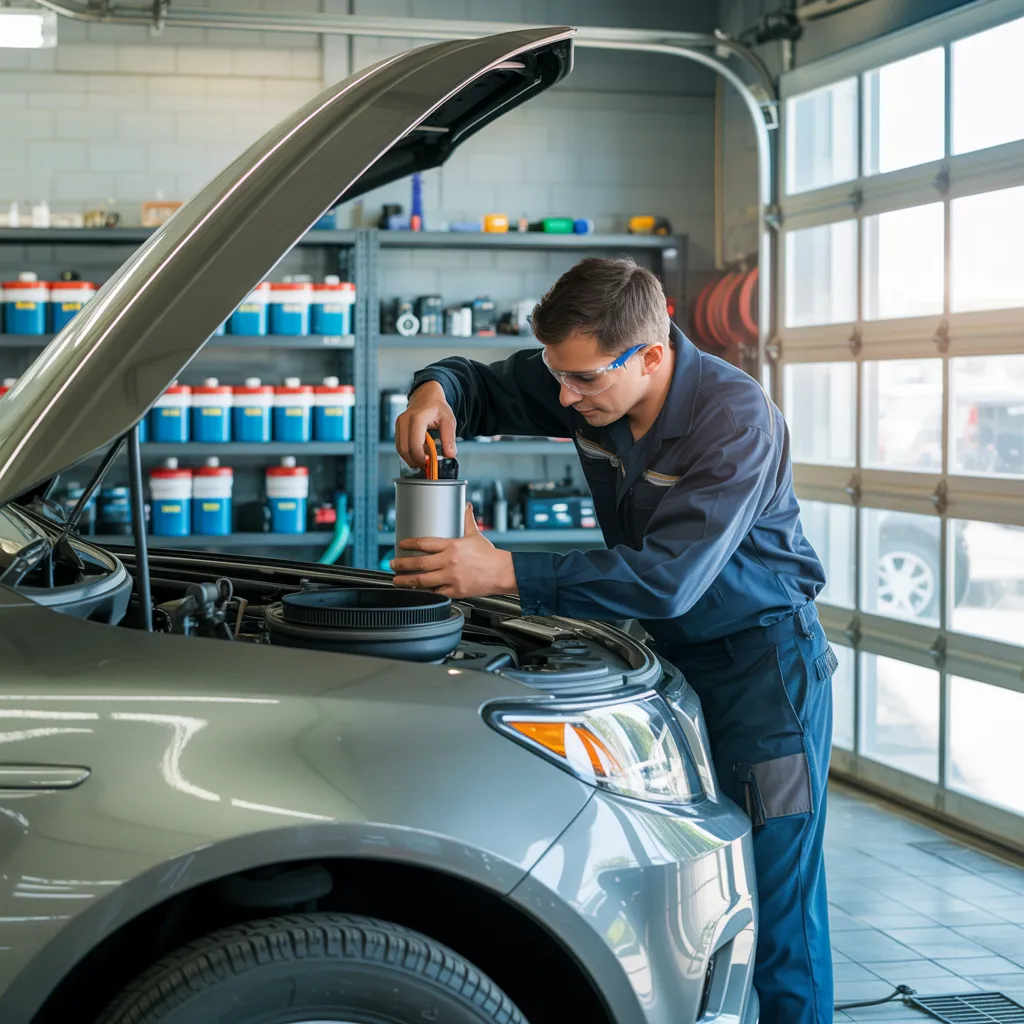
Recognizing When Your Car Needs Maintenance
How can one determine when a vehicle requires attention? There are several key indicators that highlight a need for repair. Unusual noises, such as grinding or squeaking, often indicate brake or engine problems. Warning lights on the dashboard, particularly the check engine light, should not be ignored, as they indicate potential problems that demand immediate inspection. Additionally, a reduction in performance, such as sluggish acceleration or difficulty starting, can also suggest underlying mechanical issues.
Visual signs, such as fluid leaks or uneven tire wear, are additional signals that servicing is required. If the vehicle pulls to one side while operating, this could indicate alignment problems or tire complications. Regularly monitoring these factors can help guarantee prompt maintenance, avoiding greater deterioration and expenses in the future. In summary, being observant and proactive is crucial for maintaining vehicle health.
How to Locate a Reputable Auto Repair Shop
Finding a solid car service center can be helpful resource tricky for vehicle owners. To commence, folks should request recommendations from friends, relatives, or colleagues. Real-world experiences often yield helpful information into a business's quality of service. Online reviews and evaluations on services like Yelp or Google can assist in measuring customer satisfaction.
Next, confirming certifications and affiliations with recognized industry organizations, such as the Automotive Service Excellence (ASE), can indicate a shop's dedication to quality practices. It is recommended to check out candidate facilities for an first meeting, allowing owners to assess cleanliness, organization, and customer service.
In addition, securing formal quotes before any work begins can prevent misunderstandings about costs. Finally, a reliable shop should be transparent about its services and ready to describe repairs. By following these steps, vehicle owners can increase their chances of discovering a trustworthy auto repair shop.
Why Regular Car Service Is Important
While many car proprietors may ignore routine upkeep, regular vehicle maintenance is crucial for ensuring a car's durability and peak performance. Omitting upkeep can cause a cascade of issues, from minor inconveniences to significant breakdowns. Standard inspections, such as fluid replacements, wheel rotations, and brake inspections, can sidestep expensive maintenance and enhance driving safety.
Additionally, consistent maintenance helps sustain a vehicle's fuel economy, decreasing overall running expenses. It also preserves the market value; a well-maintained car is often more desirable to prospective customers.
Taking part in scheduled maintenance fosters a sense of ownership among owners, pushing them to keep informed about their vehicle's requirements. By prioritizing maintenance, vehicle owners not only preserve their financial commitment but also help overall road safety. Ultimately, regular vehicle upkeep is a proactive approach that benefits both the owner and the general public.
Learning About Restoration Costs
Interpreting repair costs can often be confusing for automobile proprietors. Multiple considerations influence these outlays, including hourly wages, parts pricing, and the difficulty of the repair process. Labor expenses fluctuate considerably depending on region and shop, often mirroring the mechanic's proficiency and the shop's overhead. Additionally, the choice of components employed—if original equipment manufacturer (OEM) or replacement—can substantially determine the total expense.
Vehicle type and years also contribute to costs; rare or vintage vehicles may require specialized parts that are pricier and more difficult to find. Additionally, unexpected issues can emerge during maintenance work, leading to supplementary charges that were not foreseen at first. By developing fundamental knowledge of these factors, vehicle owners can approach repair estimates with greater confidence and take knowledgeable choices regarding their automotive needs.
How to Distinctly Articulate Car Problems to Your Technician
Relaying car problems effectively to a technician can significantly improve the assessment and restoration procedure. When detailing issues, car drivers should be specific about symptoms, such as unusual noises, vibrations, or dashboard alerts. Providing information on when the problem happens—whether during speeding up, decelerating, or idling—can also support the technician pinpoint the problem.
It is advantageous to document any current changes in driving behavior or service records. Using simple, direct communication prevents ambiguity, allowing the technician to comprehend the issue better. Vehicle owners should refrain from using specialized terminology unless they are certain in its meaning.
In addition, presenting documentation, like service records or previous repair invoices, can deliver context. A specific description not only quickens swift diagnosis but also encourages a teamwork approach between the car owner and the mechanic, ultimately ensuring effective repairs.
Forming a Ongoing Relationship With Your Auto Repair Shop
Developing a long-term relationship with an auto repair shop copyrights on integrity and candor. Steady excellent service reinforces this tie, while transparent exchange channels make certain that clients feel important and heard. Collectively, these elements build a partnership that advantages both the patron and the mechanic.
Establish Credibility Through Clear Communication
When customers feel well-informed about the services their vehicles need, trust naturally emerges between them and their auto repair shop. Transparency in communication is fundamental; it allows clients to understand the motivation behind advised repairs and maintenance. Auto repair shops that provide clear information, precise estimates, and open dialogues encourage a sense of confidence among their clientele. This openness not only clarifies the repair process but also empowers customers to make educated decisions. Additionally, sharing information about the shop’s qualifications, warranties, and service history improves credibility. By focusing on transparency, auto repair shops can nurture lasting relationships, encouraging repeat business and retention. Ultimately, trust through transparency facilitates a more positive and trustworthy auto repair experience.
Consistent Quality Service
Consistent quality service is the foundation of a enduring connection between customers and their auto repair shop. When customers obtain dependable and prompt repairs, they are more likely to return for future maintenance. This dependability builds trust, allowing customers to be assured in the skill of the technicians. Over time, as customers observe the same quality benchmarks being upheld, a sense of commitment develops. Regularly performed quality checks and compliance to industry standards guarantee that vehicles are not only fixed but also maintained to avoid upcoming problems. Such dedication to excellence creates an environment where customers sense appreciation, knowing their vehicles are in capable hands. Ultimately, this commitment to consistent quality service strengthens the relationship between auto repair shops and their clientele.
Establish Communication Pathways
Effective communication functions as an important link between customers and their auto repair shops, boosting trust and understanding. Open communication channels foster a cooperative setting where customers feel appreciated and informed. When repair shops offer detailed explanations concerning offerings, prices, and schedules, customers can make more informed choices about their vehicles. Frequent updates during repairs can alleviate anxiety and build trust in the shop's expertise. Conversely, customers who express their worries and needs add to a more tailored experience. This mutual dialogue not only reinforces relationships but also promotes dedication. By prioritizing open communication, auto repair shops can build a reputation for dependability, ensuring that clients come back for future needs, assured in the service they will receive.
Common Inquiries Posed Often
What May I Do if My Car Malfunctions Without Warning?
If a vehicle stops working unexpectedly, the driver should safely pull over, turn on hazard lights, assess the situation, and call for roadside assistance or a tow service if needed. Staying calm is essential.
How Can I Ascertain if a Mechanic Is Dependable?
To determine a mechanic's reliability, one should review ratings, ask for referrals, evaluate certifications, and notice openness in pricing. A reliable mechanic will speak plainly and offer thorough descriptions of necessary repairs and work.
Are coverage plans provided on vehicle maintenance?
Several auto repair shops offer guarantees on their services and parts, typically ranging from 90 days to several years. Customers should ask about specific terms and conditions to guarantee adequate coverage for their repairs.
What Devices Should I Keep in My Car for Emergency Situations?
A properly equipped car should include a spare tire, jack, jumper cables, flashlight, first aid kit, essential tools, and tire pressure gauge. These critical items help guarantee safety and address minor issues during unexpected emergencies on the road.
How Can I Ready My Car for Seasonal Transitions?
To make prepared a car for seasonal changes, one should examine liquid amounts, check tires for wear and inflation, test the battery, replace wipers, and make certain lights work correctly for optimal safety and efficiency.